
Table of Contents
Highlights
- Optimize your Google Business Profile: Claiming and updating your free Google Business Profile with complete information, photos, and weekly updates secures high-intent local visibility in the Google Map Pack.
- Build a Systematic Review Engine: Requesting reviews via direct links within two hours of service completion builds immediate trust and outperforms larger advertising budgets.
- Launch a High-Value Blog: Publishing in-depth, helpful blog content answering real customer questions generates 67% more inbound leads than generic promotional copy.
- Grow an Owned Email List: Offering targeted lead magnets and automating email sequences creates a dependable, algorithm-proof marketing channel with high ROI.
- Form Local Strategic Partnerships: Cross-promoting with non-competing local businesses that share your target audience unlocks a steady stream of qualified leads at zero cost.
Figuring out how to promote your business on a tight budget is one of the hardest challenges a small business owner faces — especially when every dollar counts and the wrong move can drain your marketing fund fast. If you want to know how to promote your business while hitting lower CPL targets, you need a structured, high-impact approach.
Here’s the quick answer if you need it now:
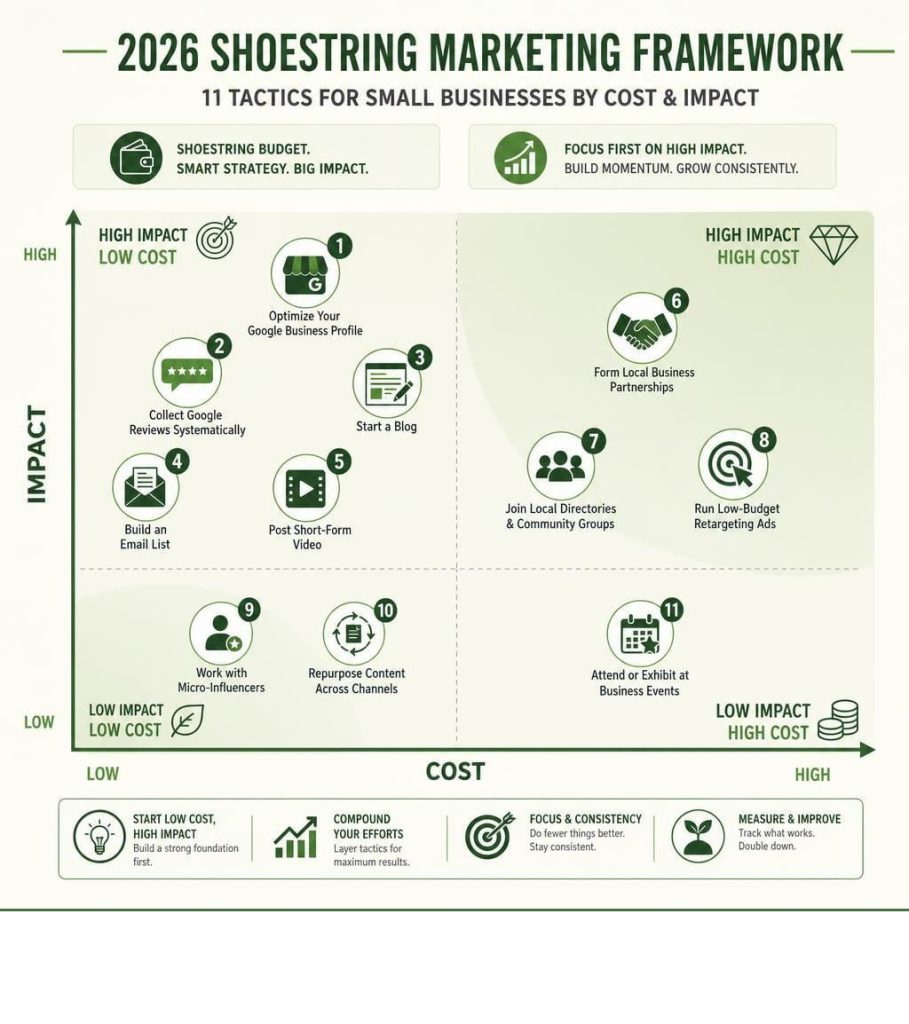
The most effective ways on how to promote your business in 2026:
- Optimize your Google Business Profile — free, high-intent local visibility
- Collect Google reviews systematically — builds trust faster than any ad
- Start a blog — businesses that blog regularly get 67% more inbound leads
- Build an email list — you own it; no algorithm can take it away
- Post short-form video — 78% of TikTok users have discovered new brands on the platform
- Form local business partnerships — tap into someone else’s audience for free
- Join local directories and community groups — Yelp, Nextdoor, Facebook groups
- Run low-budget retargeting ads — target people already interested in you
- Work with micro-influencers — 58% of people have made a purchase after an influencer endorsement
- Repurpose content across channels — one piece of content, many platforms
- Attend or exhibit at business events — in-person networking still drives qualified leads
The reality? Most small business owners try one or two of these and quit before they see results. Or they spread themselves across too many channels at once and burn out.
The data backs this up: 52% of marketers use five to eight channels — not one or two. But there’s a big difference between spreading thin and spreading smart.
This guide gives you 11 creative, low-cost promotion strategies built specifically for budget-conscious business owners who need real leads, not just likes.
Master Local SEO: How to Promote Your Business to Nearby Customers
For small businesses operating in specific geographic areas like Boston, Dallas, Houston, or Atlanta, local search engine optimization (SEO) is the most valuable free tool available. When consumers look for immediate services, their search intent is incredibly high. They are not browsing for fun; they are looking to buy.
By aligning an online presence with local search signals, businesses can secure a spot in the coveted “Local Map Pack”—the box of three local business listings that appears at the top of Google search results. This strategy serves as one of the Best Local Advertising for Small Business options because it targets users at the exact moment they need a solution.
To win at local SEO, maintaining Name, Address, and Phone number (NAP) consistency across every digital touchpoint is vital. Inconsistent contact details are a fast way to ruin credibility with both search engines and potential clients. For a deeper look at balancing digital and traditional local channels, check out How To Promote Your Business in 2026: 16 Top Ways – Shopify .
Leverage Google Business Profile: The Ultimate Guide on How to Promote Your Business Locally
A Google Business Profile (GBP) is the modern equivalent of the Yellow Pages, only far more powerful. It is completely free and acts as a central hub for local discovery.
To set up and optimize a profile:
- Claim and Verify: Visit Google’s business portal to claim the listing and complete the verification process.
- Provide Complete Information: Fill out every single field. Include the exact business name, physical address, phone number, operating hours, and category.
- Upload High-Quality Photos: Profiles with photos receive significantly more requests for directions and website clicks. Post images of the office, products, or team members in action.
- Publish Weekly Updates: Treat the profile like a social media feed. Share short updates, special offers, or seasonal hours at least once a week to signal to Google that the business is active.
Build a Systematic Review Engine: How to Promote Your Business Through Word-of-Mouth
Customer reviews are the ultimate currency of trust. In 2026, consumers rely heavily on peer feedback before making purchasing decisions. A business with a systematic review collection engine will consistently outperform competitors with larger advertising budgets.
To build an efficient review engine:
- Create a Direct Link: Generate a short, direct Google review link from the GBP dashboard.
- Ask Instantly: Do not wait weeks to ask for feedback. Send a polite text or email within two hours of completing a service or delivering a product.
- Provide a Script: Make it easy for customers by suggesting what to mention, such as the specific service provided or the team member who helped them.
- Respond Promptly: Reply to every review—both positive and negative—within 24 to 48 hours. This shows prospective buyers that customer satisfaction is a priority.
Turn Your Website into a High-Converting Lead Machine
A website should not function as a static, digital brochure. It must act as a 24/7 salesperson designed to convert casual visitors into qualified leads, helping you achieve lower CPL targets. In 2026, roughly 56% of consumers state they do not trust a business without a website. When planning how to promote your business online, your website is the foundation.

an
To turn a website into a high-converting asset, focus on the user experience, mobile optimization, and loading speed. Slow load times directly correlate with lost opportunities. Understanding these Digital Marketing Essentials for Small Businesses is crucial for building a strong online foundation. For additional website optimization strategies on how to promote your business, explore How to Promote Your Business: 10 Tips .
Optimize On-Page SEO and Mobile Performance
With over 60% of global web traffic coming from mobile devices, a mobile-responsive design is non-negotiable.
To optimize performance and on-page SEO:
- Test Page Speed: Use tools like Google PageSpeed Insights to analyze loading times and implement quick fixes, such as compressing images and cleaning up code.
- Conduct Keyword Research: Use free or low-cost tools to find the exact search terms target customers use. Integrate these terms naturally into title tags, headers, and meta descriptions.
- Design for Conversion: Ensure the hero section immediately explains what the business does, who it serves, and what action the visitor should take next. Keep a clear, clickable phone number or booking button above the fold.
Launch a High-Value Blog to Capture Inbound Leads
Blogging remains one of the most effective ways to build search engine visibility and learn how to promote your business organically. Businesses that publish helpful blog content regularly generate up to 67% more inbound leads than those that do not, making it a premier strategy for how to promote your business on a budget.
In 2026, search engine algorithms prioritize “Helpful Content” that demonstrates real-world experience, expertise, authoritativeness, and trustworthiness (E-E-A-T). Instead of publishing generic, AI-generated filler, write in-depth articles that answer the exact questions customers ask during sales calls. For example, a local plumber in Chicago might write a post titled “Why Is My Water Pressure Low? 5 Common Causes.” This positions the business as an authority before the customer ever speaks to a representative, showing you exactly how to promote your business through education.
Deploy Low-Cost Social Media and Video Strategies
Social media has evolved from an optional marketing channel into a business necessity. However, trying to maintain a presence on every single network is a recipe for burnout. The key is to identify where the target audience spends its time and focus efforts entirely on those platforms.

To maintain consistency without feeling overwhelmed, plan content in advance using a simple calendar. For practical ideas on managing these channels, read about how to Supercharge Your Small Business: Marketing Tips and Tricks. To dive deeper into platform selection and engagement, consult the guide on Mastering Social Media Marketing for Your Small Business.
Focus on High-Impact Platforms and Short-Form Video
Short-form vertical video (TikTok, YouTube Shorts, and Instagram Reels) offers unparalleled organic reach in 2026. Because algorithms prioritize engagement over follower counts, a brand-new account can reach thousands of potential customers with a single video.
- TikTok: Excellent for B2C brands, creative storytelling, and showing behind-the-scenes processes. Roughly 78% of TikTok users have discovered new brands through the platform.
- YouTube Shorts: Taps into the world’s second-largest search engine. Since more than 80% of American adults use YouTube, it is a highly effective way to build long-term visibility.
- Instagram Reels: Ideal for visual products, local service demonstrations, and engaging with an existing local community.
When creating video content, prioritize authenticity over high-production values. Raw, phone-camera footage showing a project’s “before-and-after” or a quick tip from the business owner often performs better than polished, expensive commercials.
Leverage AI Tools as an Efficiency Layer for Content Creation
Budget-conscious teams do not need to hire expensive creative agencies to maintain a consistent posting schedule. Instead, view artificial intelligence tools as an efficiency layer to streamline workflows.
AI tools can assist with:
- Generating content ideas and outlines based on trending industry topics.
- Drafting initial social media captions or video scripts that can be customized with a unique brand voice.
- Repurposing a single blog post into multiple social media updates, email newsletters, and short-form video scripts.
This approach allows a lean team to compete with larger marketing budgets while keeping content creation costs near zero.
Build and Monetize an Owned Email List
Relying solely on social media is a risky strategy when figuring out how to promote your business. Algorithms change, accounts can be restricted, and businesses are ultimately renting space on those platforms. An email list, however, is an owned asset. No third-party platform can take it away or charge a fee to reach subscribers, which is essential when learning how to promote your business with lower CPL targets.
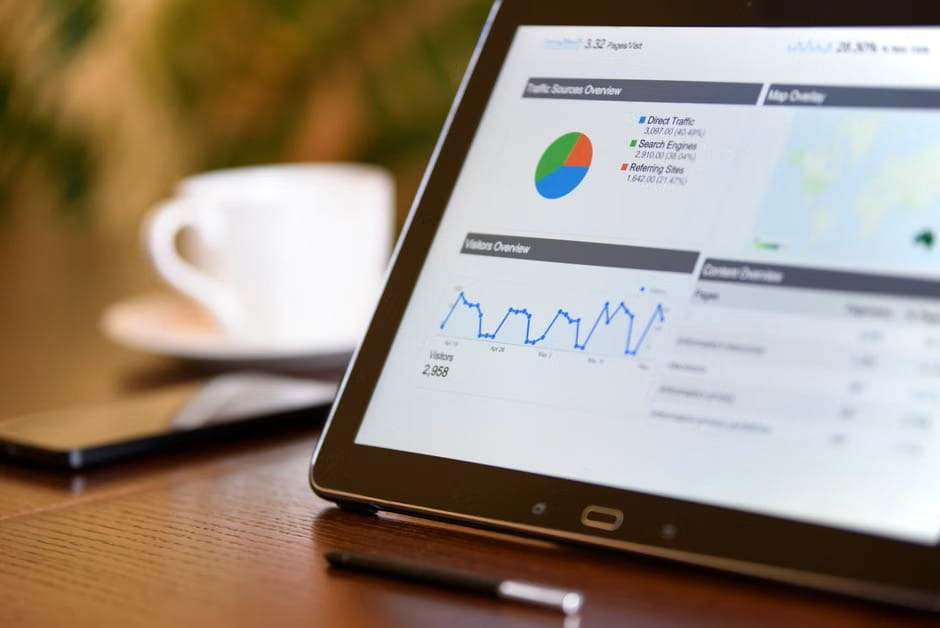
Email marketing remains one of the highest-ROI marketing channels available, returning an average of $36 to $40 for every dollar spent. It is an incredibly powerful tool for nurturing leads, driving customer retention, and mastering how to promote your business directly.
Create Irresistible Lead Magnets
People rarely hand over their email addresses for free. To grow a list and understand how to promote your business effectively, offer an irresistible lead magnet—a valuable piece of content exchanged for an email address.
Effective, low-cost lead magnets include:
- A Quick Checklist: A “Moving Day Checklist” for a local moving company in Boston.
- An Educational Guide: A “Guide to Winterizing Your Lawn” for a landscaping service in Dallas.
- A Discount Code: An immediate 10% off the first purchase for an e-commerce store.
Keep the lead magnet highly specific, easy to digest, and immediately actionable to optimize how to promote your business.
Automate High-ROI Email Sequences
Once a subscriber joins the list, use free or low-cost email marketing platforms (like Mailchimp’s free tier for up to 500 contacts) to automate communication. This ensures leads are nurtured without manual effort.
By segmenting the list based on customer behavior or interests, businesses can send highly personalized campaigns that drive conversions at a significantly lower cost per lead.
Form Strategic Local Partnerships and Cross-Promotions
One of the fastest ways to grow a business on a zero-dollar budget is to leverage someone else’s existing audience. By forming strategic partnerships with non-competing businesses that share a target demographic, owners can cross-promote services and split marketing efforts.

This collaborative approach reinforces the idea that If You’re in Business, Marketing is Your Business. For a step-by-step framework on executing zero-dollar local marketing campaigns, see How to Market a Small Business With No Budget: The $0 Marketing Guide for 2026 — Monolit Blog .
Partner with Non-Competing Local Businesses
Look for businesses that serve the same clientele but offer different services.
Examples of powerful local partnerships:
- A wedding photographer partnering with a local florist to offer joint packages or cross-referrals.
- A fitness center in Austin collaborating with a nearby health food store to offer receipt-based discounts (e.g., “Show your gym receipt for 10% off your smoothie”).
- A residential plumber and a local electrician setting up a formal referral network.
These arrangements cost nothing to establish but can unlock a steady stream of highly qualified leads.
Tap into Local Directories and Community Groups
Beyond individual partnerships, active community outreach is essential for local visibility. Ensure the business is listed in prominent local directories like Yelp, Nextdoor, and the Better Business Bureau.
Additionally, join local Facebook community groups and Nextdoor neighborhood pages. Instead of posting direct advertisements—which often violates group rules—focus on being helpful. Answer questions, offer expert advice, and build a reputation as a trusted local resource. For structured guidelines on managing local sales and outreach, consult the Marketing and sales | U.S. Small Business Administration resources.
Maximize ROI with Low-Cost Paid Advertising and Micro-Influencers
When the business is ready to allocate a modest budget toward paid promotion, avoid broad, expensive campaigns. Instead, focus on hyper-targeted strategies designed to maximize return on investment (ROI), hit lower CPL targets, and optimize how to promote your business.
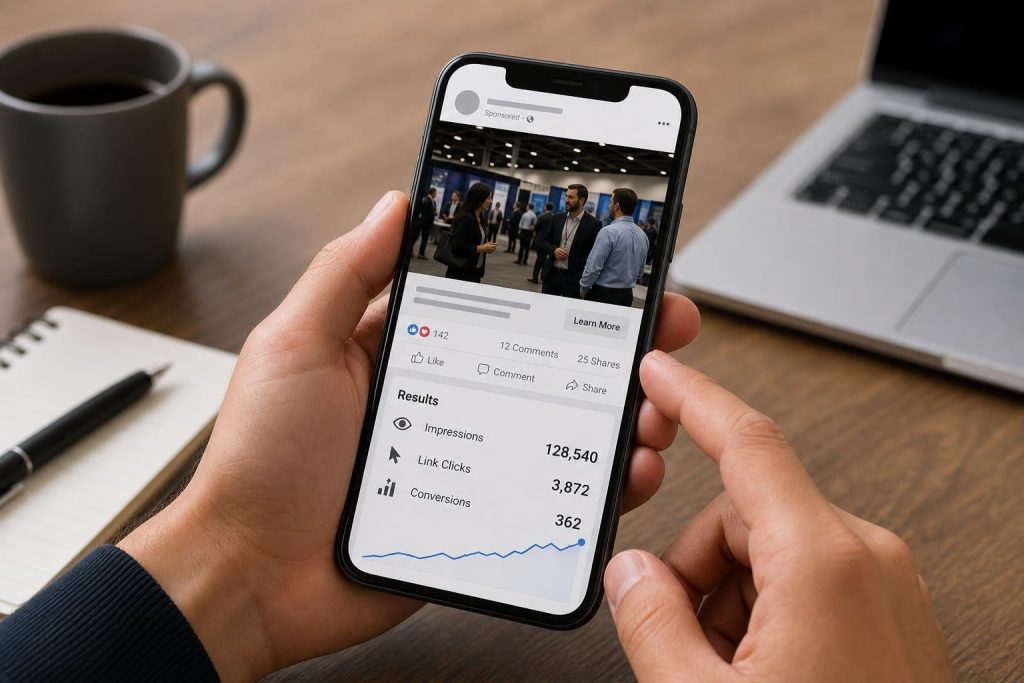
To learn more about setting up cost-effective ad campaigns and discovering how to promote your business with paid media, read about Effective Ads for Small Business. For a complete overview of budget allocation, tracking metrics, and how to promote your business efficiently, explore Small Business Marketing: The Complete Guide [2026] | Searchlab .
Run Hyper-Targeted Retargeting and Local Ads
The easiest way to waste money on paid advertising is to target a broad, cold audience. Instead, use retargeting ads to reach people who have already interacted with the brand, which is a proven method for how to promote your business while maintaining lower CPL targets.
- Install the Meta Pixel: Place the tracking pixel on the website to serve ads on Facebook and Instagram to past visitors.
- Run Local PPC Campaigns: Set up Google Search Ads targeted strictly to a small geographic radius around the business location. Target specific search terms with high purchase intent to refine how to promote your business.
- Set Strict Daily Budgets: Start small with $5 to $10 per day to test ad creatives and conversion tracking before scaling the budget, ensuring you learn how to promote your business without overspending.
Collaborate with Micro-Influencers on a Budget
Influencer marketing is no longer reserved for major corporations. In 2026, micro-influencers (5,000 to 50,000 followers) and nano-influencers (500 to 10,000 followers) offer exceptional value for small businesses.
These creators typically have highly engaged, niche audiences and are often willing to collaborate in exchange for free products, services, or small affiliate commissions.
- Content Swaps: Partner with a local creator for a social media takeover or co-branded post.
- Affiliate Codes: Provide influencers with a unique discount code to share with their followers, paying them a percentage of sales generated.
- Local Endorsements: Invite a popular local food blogger to try a restaurant in exchange for an honest review on their platform.
This approach provides cost-effective reach and builds strong social proof within a specific community.
Final Thoughts
Promoting a business on a shoestring budget in 2026 does not require a massive marketing department or thousands of dollars in ad spend. It requires a deliberate, consistent focus on the channels that drive real business outcomes: local SEO, high-converting web design, owned email lists, and strategic local relationships.
To fast-track growth and connect directly with industry experts, consider stepping out of the digital space and into high-value in-person environments. Small Business Expo organizes America’s largest national B2B conferences and networking events for small business owners. By providing free access to educational workshops, expert speakers, and diverse exhibitors, it connects over 100,000 business owners annually across major US cities, including New York, Houston, Chicago, and Atlanta.
Whether looking to exhibit a product, attend an educational workshop, or build a local referral network, participating in these events is one of the most cost-effective ways to drive qualified leads and accelerate revenue growth. For more actionable strategies on scaling a business, explore the Ultimate Guide to Success: How to Grow a Small Business.
Frequently Asked Questions About Low-Budget Business Promotion
What is the fastest way to promote a business locally with no money?
The absolute fastest way to promote a business locally for free is to claim and optimize a Google Business Profile, then systematically ask past clients for Google reviews. Simultaneously, join local Facebook community groups and Nextdoor pages. By actively answering local questions and offering expert advice without directly pitching, businesses can secure immediate, high-intent leads from neighbors looking for trusted recommendations.
How much should a small business spend on marketing in 2026?
As a general rule of thumb, established small businesses should allocate 5% to 10% of their gross revenue to marketing. However, early-stage startups or businesses in rapid growth mode may need to invest 15% to 20% of their growth capital to build initial brand awareness. For a comprehensive breakdown of budgeting based on revenue stages, refer to How to Market a Small Business: The Complete 2026 Guide .
Can I promote my business successfully without using social media?
Yes, absolutely. While social media is a powerful tool, businesses can build a highly successful promotional engine by focusing on owned and local channels. Prioritize local SEO to capture search traffic, build an optimized website that converts visitors into leads, maintain an active email newsletter to nurture prospects, and build strong offline relationships through local networking, strategic partnerships, and community events.
How do you promote your business on Facebook?
To promote your business on Facebook, create a complete Business Page, post useful local content consistently, and participate in relevant community groups without spamming. Share customer stories, behind-the-scenes updates, event announcements, offers, and short videos that encourage comments and shares. For paid promotion, start with a small budget and use retargeting ads to reach people who have already visited your website or engaged with your page.
How do you promote your business on Instagram?
To promote your business on Instagram, focus on visual proof and short-form content. Use Reels to show quick tips, before-and-after results, product demos, event highlights, or behind-the-scenes moments. Optimize your bio with a clear value proposition and link, use local and niche hashtags, tag your location, and encourage customers to tag your business in their posts. Consistent Stories, Reels, and customer-generated content can help turn casual viewers into leads.