

Table of Contents
Think about the last time a product ad caught your eye while scrolling or searching for something online—it probably spoke to a real need, popped up in just the right moment, or made you laugh hard enough to click. That’s the magic of the ads for small business done right.
Highlights
- Ads for small business are essential for brand growth in a crowded marketplace.
- The six most effective ad types are: Facebook & Instagram Ads, Google Search Ads, YouTube Ads, Local Service Ads, Retargeting Ads, and Influencer-Driven UGC Ads.
- Not every ad type delivers the same value to every small business—picking the right strategy is crucial.
- Cost-effective, measurable, and adaptable ads drive the best ROI for small businesses; smart targeting and agility matter now more than ever.
- Brands can maximize success with the right mix of creative testing, targeting, and budget allocation—plus, constant tracking and learning from data.
In today’s competitive digital world, small businesses aren’t just fighting for attention—they’re fighting to survive and thrive. The good news? The power to reach, inspire, and convert customers has never been more accessible—or more effective—thanks to strategic online advertising.
But not all ads work equally well for growing brands with lean teams and tight budgets. Picking the right kind of ad can feel like standing at a crossroads, but the right route can change everything. This guide reveals the six most effective ads for small business that consistently drive real, measurable results—plus the secrets behind what makes them tick.
What Makes an Ad Truly Effective for Small Business?

Great ads for small business share four core traits: they’re measurable, cost-efficient, laser-targeted, and adaptable. These are campaigns built for real-world hustle—not megabudgets.
- Measurable: Unlike old-school billboards or flyers, digital ads for small business allow for clear tracking with conversion pixels and UTM codes, so every dollar spent proves its worth.
- Cost-Efficient: Cost-per-thousand (CPM) and cost-per-click (CPC) rates have leveled the playing field. Small budgets—even just $5 a day—can outperform bigger brands if spent smartly.
- Highly Targeted: The ability to zero in on location, interests, behaviors, and even device type means your ad dollars go directly to the audiences most likely to convert.
- Adaptable & Agile: Small businesses can test, tweak, and optimize campaigns in real time, allowing them to pivot fast when something isn’t working.
A recent 2025 survey found that small business advertisers see up to 2x higher ROI from digital ads compared to traditional channels—if they focus on high-intent, well-targeted platforms. In other words, it’s not the depth of the wallet but the sharpness of the strategy that counts.
Learn more: The Importance of Having a Small Business Lawyer
The 6 Most Effective Ads for Small Business
1. Facebook & Instagram Ads
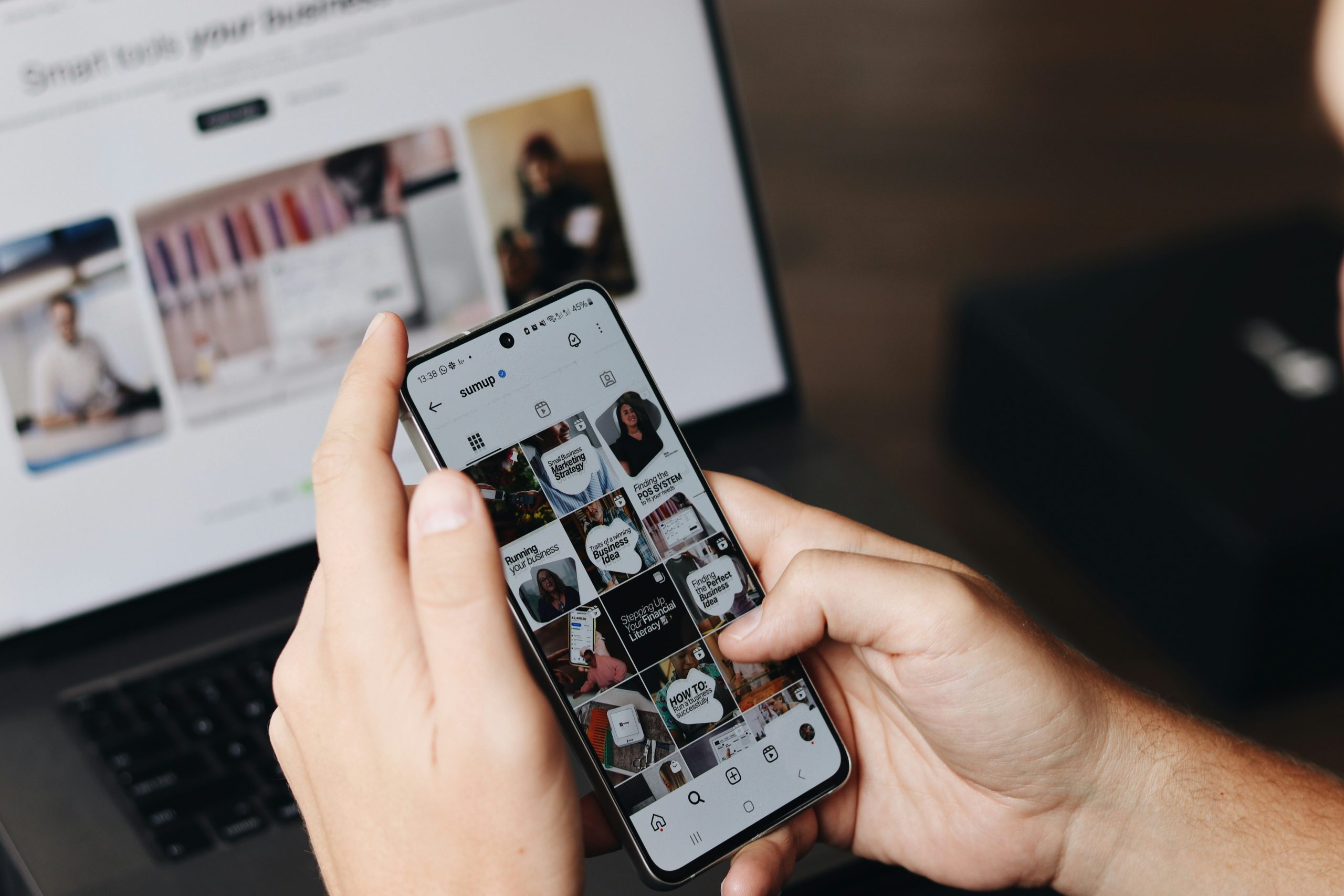
Social platforms are the goldmine for ads for small business in 2026. With over two-thirds of adults scrolling these feeds daily, tapping into Facebook and Instagram is essential for brand growth—especially for direct-to-consumer and service-driven startups.
Why These Ads Work
Facebook and Instagram offer hyper-detailed audience segmentation. Reach parents in a specific zip code, dog lovers aged 25-40, or fans of a competitor’s page. Engagement-driven formats (carousel, video, story, and lead generation ads) drive action because users feel like the ad was made “just for them.”
Real results: Local boutiques report selling out product lines with under $500 by using carousel ads showcasing new arrivals. Service providers win new clients by boosting posts featuring customer testimonials.
How to Implement for Maximum Impact
- Use Facebook’s “Detailed Targeting” tools to define your ideal audience by location, interests, and even purchase behavior.
- Carousel and video ads stand out—showcase a “before and after,” a quick demo, or a happy-customer success story.
- Write copy that sparks curiosity, offers value (“20% off for locals!”), and finishes with a simple call to action.
Common Pitfalls
- Over-targeting can make audiences too tiny; keep segments broad enough for delivery.
- Ignoring creative fatigue: swap out photos or messages after a week or two to avoid banner blindness.
- Not tracking properly–always use Facebook Pixel to measure real sales and leads.
2. Google Search Ads
Ranking at the top of Google is every small business owner’s dream. With Google Search Ads, a smart campaign puts that dream within reach.
Why These Ads Work
These intent-driven ads for small business put your results right above organic listings—when someone literally wants what you sell. Search ads work especially well for high-intent purchases or services (“emergency plumber,” “best birthday cake near me”).
Statistics show that 90% of shoppers start their purchase journey with search. Being the answer to their question? Priceless.
How to Master Google Search Ads
- Start with a tight set of keywords, using keyword planner tools to target what locals are actually searching.
- Use ad extensions like location, phone, and callouts to increase credibility and clicks.
- Always align ads with a dedicated landing page—not just your homepage. A cleaning service, for example, should send “deep cleaning deals” traffic to a page about that service, with a visible booking button.
Avoid These Mistakes
- Overspending on broad, expensive keywords and ignoring negative keywords.
- Generic ad copy that misses specifics (“Affordable haircuts for kids in Dallas!” beats “Haircuts Available Now.”)
- Failing to monitor and refine bids as data rolls in.
3. YouTube Ads
Video storytelling builds trust, brand authority, and lasting impressions—fast.
Why These Ads Work
YouTube is the second-largest search engine, and video is unmatched for demonstrating how a product or service works. Great ads for small business here can be seen by thousands—sometimes for pennies per view.
YouTube’s ad formats—skippable in-stream, non-skippable, and bumper ads—mean there’s an option for every budget and campaign goal.
How to Make Low-Budget Videos Work
- Authenticity wins: DIY smartphone videos spotlighting your story, how products are made, or happy customer reviews build connection.
- Focus on the first five seconds—grab attention with a vivid hook, question, or quick “problem solved” image.
- Use YouTube’s audience targeting to show ads to a precise region, interest group, or even channel subscribers.
Tips and Traps
- Non-skippable ads require punchy brevity—don’t drag out your story.
- Set a small daily budget to start; let the data guide expansion.
- Avoid videos that feel too salesy or stiff—audiences crave real, relatable stories.
4. Local Service Ads (Google Guaranteed)
Service-based businesses—plumbers, lawyers, tutors, and more—get a unique advantage with Google’s Local Service Ads.
Why These Ads Work
Google Local Service Ads display above even paid search ads, paired with a “Google Guaranteed” badge. This badge inspires instant trust, turning cold leads warm by signaling your business is vetted and dependable.
Leads generated are usually calls or messages from locals actively seeking your services, boosting conversion rates substantially.
How to Set Up and Track
- Complete Google’s screening and verification process for your profession.
- Submit license and insurance paperwork—pass the check, and earn your badge.
- Use Google’s dashboard to track calls, respond to reviews, and pause ads in slow seasons.
Mistakes to Watch Out For
- Failing to monitor incoming leads (quick response = higher close rate).
- Overlooking the importance of high star ratings—review management is crucial.
- Letting the verification process lapse—stay compliant to keep your badge.
5. Retargeting Ads
Most website visitors aren’t ready to buy right away. Retargeting ads for small business ensure a second chance at conversion.
Why These Ads Work
Retargeting places reminders in front of recent website visitors as they browse other sites or social platforms. These “follow-up” ads gently nudge them back, capitalizing on their existing interest.
Studies reveal retargeted visitors are 70% more likely to convert than first-time viewers. That’s a huge lift, especially for ecommerce and service bookings.
How to Retarget Effectively
- Install tracking pixels (Facebook Pixel, Google Tag) to “remember” who visited your site.
- Create segments: one ad for cart abandoners, another for blog readers, etc.
- Incentivize return visits with limited-time offers, how-to content, or product demos.
Pitfalls to Avoid
- Ad fatigue: Showing up too often can annoy potential customers. Set frequency caps.
- Forgetting mobile users—ensure creative is adapted for smartphones.
- Neglecting to exclude converted users, wasting budget on completed buyers.
6. Influencer-Driven UGC Ads
Word of mouth is turbocharged in the digital age—thus, Influencer and UGC (User-Generated Content) ads for small business shine, especially for brands seeking authenticity and community reach.
Why These Ads Work
Micro-influencers and enthusiastic customers have built-in trust with their niche audiences. When these fans create genuine content around your brand (videos, testimonials, reviews), their following listens—and often acts.
Small businesses enjoy boosted reach and relatability. Grocery shops, gyms, and local cafes see “viral” results from spotlighting real shoppers or working with hyper-local influencers.
How to Roll Out UGC Ads Right
- Partner with micro-influencers; seek those with actual engagement, not just big follower counts.
- Offer clear guidelines: keep messaging honest, highlight real results, and avoid scripted praise.
- Always disclose partnerships clearly, staying compliant with FTC standards.
Mistakes to Avoid
- Chasing big influencers with no genuine affinity for the brand.
- Failing to vet UGC content for brand safety before sponsoring or boosting.
- Ignoring contractual details—set approval and usage rights up front.
Learn more: 4 Networking Events Boston Business Owners Must Attend
How to Choose the Right Ad Type for Your Business

Selecting the most effective ads for small business depends on matching ad types to your business model and audience:
- Local services? Lean on Google Local Service Ads and retargeting.
- Ecommerce brands? Social media ads and retargeting excel.
- Digital-first? Combine YouTube, search, and influencer UGC.
Checklist for Choosing:
- What’s the budget per month?
- Is the audience regional, national, or global?
- Is the goal brand awareness, lead generation, or instant sales?
- How quickly is feedback/data needed for pivots?
Starting with one or two focused ad types allows for deep testing without spreading resources thin—key for maximizing learning and ROI.
Common Small Business Ad Mistakes to Avoid
- Spreading the budget thin: Multiple platforms dilute impact. Focus on one or two, measure, then expand.
- Skipping creative tests: Rotating visuals and messages uncovers what resonates. Don’t “set and forget.”
- Forgetting to install tracking pixels: Without these, all data (and potential optimization) is lost.
- Unclear CTAs: Even the best ad will flop if customers don’t know what to do next.
Recognize mistakes as learning moments—refinement fosters resilience and growth.
Learn more: The Best Way to Keep Up on Social Media Trends in 2026 (and Stay One Step Ahead)
Final Thoughts
The world of ads for small business doesn’t have to be overwhelming. By choosing the right platforms, focusing investments, and learning from each campaign, any small business can achieve big growth. The future belongs to those who test, measure, and scale what works—so don’t wait for “someday.” Take action, experiment boldly, and remember: small, smart ads can fuel giant strides.
Don’t wait—small ads can lead to big growth. Test smart, measure often, and scale what works. Want to learn more? Join us at our next Small Business Expo event!
FAQs About Ads for Small Business
What’s the most cost-effective ad platform for beginners?
Social media platforms—especially Facebook and Instagram—are typically the most budget-friendly ads for small business. Their targeting and ease of use let new advertisers start small, test rapidly, and refine based on clear results.
Should a small business hire an agency or do it themselves?
Most small businesses can launch effective ads for small business in-house using user-friendly ad managers and online tutorials. However, as campaigns grow more complex, an experienced agency may help scale faster and avoid costly mistakes.
How much should a small business spend on ads monthly?
A good starting point for ads for small business is 5–10% of gross revenue. Even $250–$500/month can drive significant leads when combined with strong creative and targeting.
How long should an ad run before analyzing results?
Allow ads for small business to run for at least seven days to collect usable data. If budgets are low, two weeks of run-time provides a clearer picture of performance trends.