
Table of Contents
Highlights
- Small Business Day gives owners a practical reason to build visibility, meet partners, learn from experts, and create a year-round growth plan.
- National Small Business Day and Small Business Saturday serve different purposes, with one emphasizing broad entrepreneurial impact and the other focusing on holiday consumer spending.
- Small Business Day campaigns can generate stronger results when teams measure awareness, qualified conversations, meetings, referrals, and influenced revenue.
- Small Business Day momentum through year-round expos, workshops, expert-led seminars, matchmaking, and vendor connections.
- Small Business Day campaign requires one measurable objective, a defined audience, a credible proof point, organized contact records, and disciplined follow-up.
- Small Business Day initiatives create lasting value when event conversations become proposals, referrals, partnerships, repeat customers, and measurable business growth.
Understanding National Small Business Day and Related Observances
Small Business Day recognizes the economic and community impact of independent businesses in the United States. For owners, it is also a practical opportunity to build visibility, meet potential partners, learn from experts, and create a repeatable plan for growth beyond one date on the calendar. Small Business Expo extends that opportunity throughout the year through trade shows, workshops, professional matchmaking, and educational resources for U.S. entrepreneurs.
The United States celebrates independent enterprises through several designated calendar milestones. Federal agencies such as the U.S. Small Business Administration organize campaigns that highlight entrepreneurial contributions, provide specialized resources, and encourage public patronage. Details about official recognitions are available through Small Business Administration observances.
While focused calendar dates create concentrated media visibility, broader programming such as Small Business Month provides multi-week opportunities for education, policy advocacy, and community outreach. The larger goal is to turn awareness into stronger business systems, more relevant relationships, and measurable commercial progress.
National Small Business Day vs. Small Business Saturday
Although both dates honor independent commerce, National Small Business Day and Small Business Saturday serve different strategic purposes, audiences, and operational goals.
National Small Business Day occurs annually on May 10. The occasion focuses on entrepreneurship’s broad economic impact across business-to-consumer and business-to-business sectors, including operational resilience, innovation, modern workflows, and civic contributions. In contrast, Small Business Saturday occurs on the Saturday following Thanksgiving. Created by American Express in 2010 and co-sponsored by the SBA since 2011, it is positioned between Black Friday and Cyber Monday to encourage consumer foot traffic at local storefronts during the fourth-quarter retail period.
|
Feature |
National Small Business Day |
Small Business Saturday |
|---|---|---|
|
Annual Timing |
May 10 |
Saturday after Thanksgiving |
|
Primary Industry Focus |
B2B, B2C, professional services, technology, and trades |
Retail, hospitality, food service, and artisans |
|
Core Objective |
Industry recognition, B2B networking, and operational growth |
Holiday sales, foot traffic, and consumer spending |
|
Lead Organizing Bodies |
Civic groups, regional partners, and educational bodies |
American Express, SBA, and merchant associations |
Regional Initiatives: From Capitol Events to Hamilton County Small Business Day
Beyond national dates, regional and municipal governments organize localized programs to advance policy, corporate procurement, and operational capacity. For example, Hamilton County Small Business Day brings business owners together with resource partners, procurement buyers, and targeted coaching sessions.
Similarly, the 2026 Small Business Day at the Capitol organized by Florida SBDC enables founders to engage with state policymakers, discuss regulatory reforms, and explore economic-development initiatives that can strengthen local operations.

Economic Impact and Why Supporting Local Enterprises Matters
The economic foundation of the United States relies heavily on independent commercial enterprises. Across the country, 36.2 million small businesses form the baseline for regional economic stability, technological progress, and localized employment opportunities.
According to authoritative 2026 small-business statistics from the Small Business Administration, small enterprises represent 99.9% of all domestic firms, generate 43.5% of gross domestic product, and provide jobs for roughly 45.9% of the private-sector workforce. Furthermore, demographic shifts continue to shape the American commercial landscape; for instance, enterprise ownership among African-American women has grown 322% over recent decades, highlighting the critical role of accessible business capital, commercial credit lines, and local economic development frameworks.
The Multiplier Effect of Shopping and Contracting Small
When dollars are spent with local enterprises or distributed through corporate supplier diversity contracts, a significant portion of that capital recirculates within the surrounding municipality. Local firms purchase inventory from regional vendors, hire local labor, and contribute to municipal tax bases that fund essential public infrastructure such as schools, public safety, and road maintenance. Implementing intentional Small Business Growth Strategies allows independent ventures to scale sustainably, generating higher-wage employment and expanding local supply chain networks during every small business day campaign throughout the year.
For B2B operators, support can extend beyond consumer purchases. Supplier-registration portals, chamber partnerships, government procurement outreach, and introductions to corporate buyers can create a stronger pipeline than a one-day promotion alone. A practical planning framework is to measure each campaign across three stages: awareness generated, qualified conversations created, and follow-up meetings scheduled. This approach connects community support to measurable sales activity while helping leadership teams prioritize the channels and partnerships that create durable value.
Turning Community Support Into Repeatable Business Development
A strong small business day initiative gives owners a reason to start conversations, but the value grows when that visibility is connected to a repeatable operating system. For example, a local service company can pair an event promotion with a simple landing page, an appointment option, and a short educational resource that answers a common customer question. That sequence makes it easier to identify whether outreach is producing attention, qualified demand, or booked work.
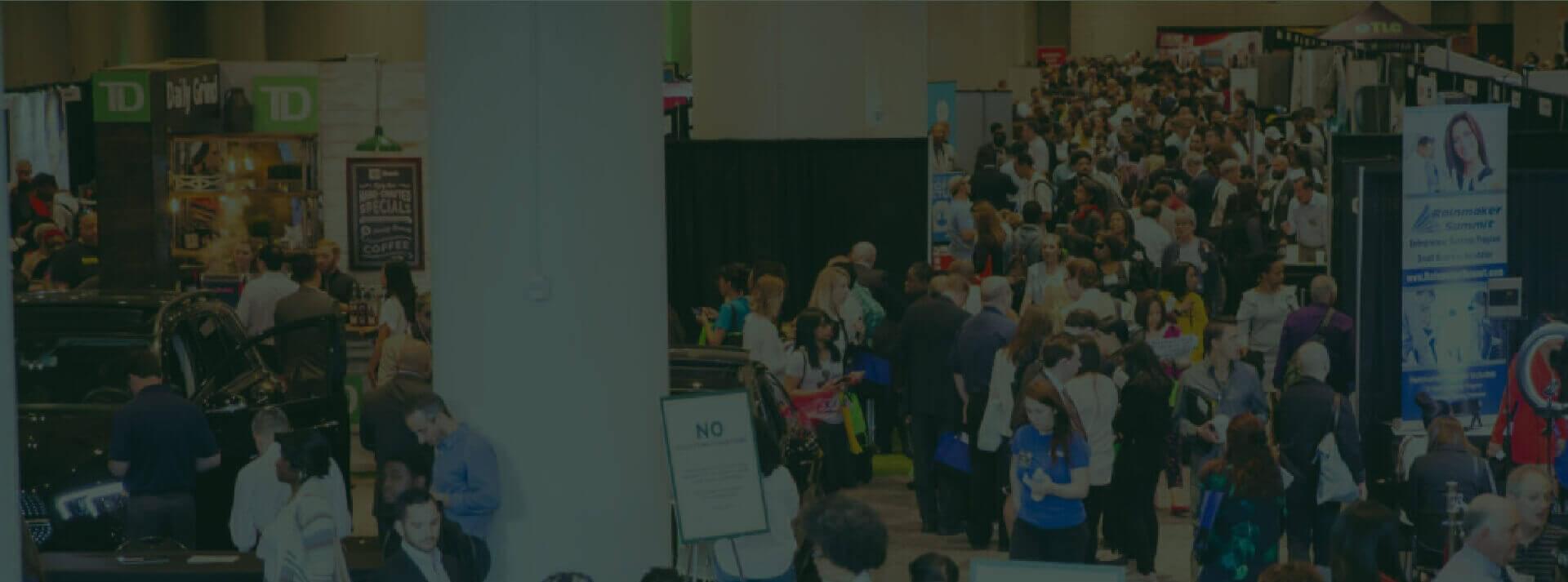
Small Business Expo helps extend that momentum beyond a single calendar date by bringing owners together with exhibitors, speakers, resource partners, and potential collaborators. Teams can prepare for those connections by defining one priority audience, one proof point that demonstrates credibility, and one next step for every new contact. A clear process prevents promising conversations from being lost in an unstructured list of business cards or email addresses.
A well-planned small business day can also strengthen local supplier relationships when organizers document introductions, referrals, and next steps rather than treating attendance as a one-time promotion. Over time, each small business day initiative becomes more valuable when those records show which partnerships lead to qualified opportunities.

Essential Growth Resources and Programs for Entrepreneurs
Navigating operational hurdles requires reliable access to professional networks, institutional capital, and structured educational programs. Business owners must overcome daily friction points ranging from technical SEO implementation, website conversion optimization, and lead generation to complex operational tasks like affordable employee health insurance selection, skilled hiring, and automated workflow integration.
To build resilient operational models that succeed long after any formal small business day, founders can study comprehensive frameworks such as the Ultimate Guide to Success: How to Grow a Small Business.
Accessing Capital, Grants, and Deal Matchmaking
Securing debt financing or seed funding remains a major objective for growing firms. Small enterprises often benefit from localized grants—such as Microenterprise Advancement Passport (MAP) programs providing $5,000 to $10,000 capital injections—as well as SBA-backed microloans.
For B2B service providers and trade contractors, participating in structured matchmaking environments like Deal Zone programs at Small Business Expo allows leadership teams to submit capability statements, map relevant commodity codes, and secure direct 1-on-1 procurement meetings with government agencies and corporate prime contractors. Because Every Day is Small Business Day at Small Business Expo, year-round expos, hands-on workshops, expert-led seminars, and high-impact vendor exhibits offer practical infrastructure for continuous client acquisition.
Before an event, teams can prepare a concise value proposition, current service list, proof of past results, and a defined next step for prospective partners. Afterward, a simple lead-scoring process can separate immediate opportunities from relationships that need educational content or a later check-in. This improves the return on time spent networking and gives small teams a repeatable way to turn conversations into proposals, referrals, and long-term accounts.
A useful qualification model separates each contact into three groups: near-term buyers, strategic referral partners, and developing relationships. Near-term buyers need a prompt, specific conversation about scope and timing. Referral partners benefit from a clear description of ideal clients and complementary services. Developing relationships may respond better to an invitation to a future workshop, educational resource, or industry discussion. Assigning a next action to every contact helps turn a busy small business day into organized pipeline activity.

Free Educational Programs and Business Development Centers
Entrepreneurs can leverage vast public and quasi-public networks for ongoing professional development. The nationwide network of Small Business Development Centers (SBDCs) and SCORE chapters provides no-cost business counseling, financial modeling guidance, and cybersecurity reviews.

Additionally, municipal advisory boards like the Small Business Development Committee | Brookline, MA partner with local public libraries to grant founders access to professional training platforms, Gale Courses, and operational toolkits to master digital skills, lead nurturing pipelines, and artificial intelligence tools.
A year-round development plan can assign one operating priority to each quarter: improve local visibility and website conversion, strengthen sales systems and customer retention, modernize hiring and internal workflows, then review financial and strategic goals. Pairing those priorities with workshops, peer introductions, and expert sessions creates momentum without requiring every challenge to be solved at once.
Small teams can also make learning more actionable by selecting one measurable operational improvement after each workshop or event. Examples include revising a service-page call to action, documenting a hiring interview scorecard, setting a monthly review for lead sources, or creating a basic process for evaluating AI-assisted work. The goal is not to adopt every tool at once; it is to convert useful ideas into a manageable system that supports better decisions.
This content is for general informational purposes only and is not legal, tax, or financial advice. Small Business Expo is not a law firm and does not provide legal services or act in any legal capacity. Consult your lawyer, tax professional, or financial advisor before acting on these steps.
How Business Owners Can Maximize Observance Days and Turn Them into Year-Round Growth
A successful small business day campaign requires strategic preparation, coordinated promotion, and disciplined follow-through. Observances work best as the opening point in a longer relationship-building process, supported by The Power of Small Business Networking: Building Strong Relationships for Success.
Social Media Campaigns, AI Tools, and Outreach Systems
A small business day promotion should give every channel a clear purpose: social content can build awareness, a landing page can capture interest, workshops can demonstrate expertise, and direct outreach can create qualified conversations. The following practices keep the campaign coordinated without relying on generic, one-size-fits-all marketing.
- Local visibility: Pair a Small Business Day message with city, neighborhood, and industry terms that match the audience an event is intended to reach.
- Partner outreach: Use a Small Business Day collaboration with complementary organizations to introduce attendees to useful services, education, or resources.
- Practical content: Build each Small Business Day asset around one customer question, proof point, or timely operational challenge rather than a broad promotional claim.
- Human-led AI support: Use AI tools to help organize ideas, tailor drafts, and identify content gaps, while keeping marketing professionals responsible for strategy, review, and brand judgment.
Campaign performance improves when event teams define the desired result before publishing the first post. Registration volume, workshop attendance, exhibitor conversations, consultation requests, and follow-up meetings are more useful indicators than reach alone. That discipline makes a small business day campaign easier to refine from one city or event cycle to the next.
Small Business Day Campaign Framework
A useful Small Business Day framework connects preparation, on-site activity, and post-event action in one operating rhythm.
- Set the objective. Give each Small Business Day effort one measurable goal, such as qualified meetings, workshop registrations, buyer introductions, or partner referrals. A clear small business day objective prevents teams from measuring every activity against vague awareness.
- Define the audience. Identify the decision-maker, business stage, and most relevant challenge before creating a Small Business Day message. This keeps the small business day invitation useful to the people most likely to benefit.
- Prepare a proof point. Use a Small Business Day resource, speaker topic, customer outcome, or exhibitor capability that demonstrates why a conversation is worthwhile. The strongest small business day materials make the next step clear without overpromising.
- Capture context. Record where each small business day contact was met, what was discussed, and which follow-up action is appropriate. A structured small business day note is far more actionable than a list of names and email addresses.
- Route opportunities. Separate small business day contacts into near-term buyers, referral partners, and developing relationships. Each small business day category should have a different next action, timeline, and owner.
- Review results. Compare Small Business Day activity with consultations, proposals, partnerships, and influenced revenue. That small business day review turns event participation into a repeatable business-development system.
This framework allows Small Business Expo participants to treat event activity as a managed process instead of a collection of disconnected promotional tasks.
Measuring What Creates Lasting Value
Small business day measurement is most helpful when it combines volume metrics with indicators of relationship quality. A high number of contacts matters less if there is no record of fit, urgency, or a practical path to continue the conversation.
- Track Small Business Day registrations by source to see which channels generate qualified interest.
- Track Small Business Day conversations by topic to identify the workshops, services, and challenges that resonate most.
- Track Small Business Day meetings scheduled after the event to measure immediate sales or partnership momentum.
- Track Small Business Day referrals to understand which exhibitors, speakers, and community partners create mutual value.
A short post-event review can then identify the strongest messages, useful partner relationships, and gaps in the attendee journey. For example, repeated questions about hiring, social media, lead generation, AI integration, website conversion, or SEO may signal a need for a future workshop or an educational article that answers the issue in greater depth.
Transitioning From Single-Day Sales to Long-Term Momentum
Generating single-day revenue spikes on small business day can provide immediate cash flow, but sustained growth depends on client retention and consistent relationship management. Business operations benefit from standard processes to capture contact information, create relevant email sequences, offer loyalty incentives where appropriate, and schedule post-event consultations.
An effective operating rhythm uses events as milestones within an always-on growth system. Publish educational content before an expo, assign clear responsibilities during the event, and use the following weeks for consultations, proposals, and relationship nurturing. This approach helps Small Business Expo participants convert event energy into a dependable pipeline while keeping attention on the activities that create measurable results.
A practical 30-day follow-through plan can strengthen accountability. During the first week, organize contacts and document the context of each interaction. During the second week, send relevant materials and schedule qualified discussions. During the third week, review stalled opportunities and identify missing information such as budget, decision timing, or service fit. By the fourth week, compare meetings held, proposals sent, partnerships formed, and revenue influenced to improve the next campaign.
Surrounding day-to-day operations with continuous inspiration—such as curated Small Business Quotes—can help internal teams stay motivated while scaling administrative, sales, and delivery systems throughout the year.

Conclusion: Making Every Day Small Business Day
While designated national holidays draw well-deserved attention to the independent enterprise ecosystem, sustainable commercial success requires continuous operational development, ongoing skill enhancement, and consistent professional networking throughout the entire calendar year. At Small Business Expo, Every Day is Small Business Day, transforming temporary observance enthusiasm into continuous commercial momentum.
The most effective growth approach combines event participation with disciplined follow-through: clarify business priorities, meet relevant people, apply practical lessons, and measure which activities create meaningful opportunities. A well-planned small business day program can therefore support stronger lead generation, local visibility, hiring, AI integration, website conversion, and procurement relationships throughout the year.
For many organizations, the lasting value of Small Business Day comes from treating each event as one stage in a documented operating system: prepare a relevant message, create useful conversations, record next actions, and assess outcomes. That discipline helps turn awareness into durable partnerships and measurable growth.
Enterprise leaders seeking to expand market reach, secure corporate and government contracts, and master emerging technologies can regularly attend premier small business events and trade shows nationwide to gain direct insights, strategic partnerships, and hands-on tools necessary to thrive in the modern American economy.
Frequently Asked Questions About Small Business Day
What is National Small Business Day and when is it celebrated?
National Small Business Day is celebrated annually on May 10 across the United States. This Small Business Day observance recognizes the economic contributions, community leadership, and innovative spirit of independent business owners across commercial sectors.
How does Small Business Saturday differ from National Small Business Day?
Small Business Saturday takes place on the Saturday immediately following Thanksgiving and focuses on encouraging consumers to shop at local brick-and-mortar retail and dining establishments during the holiday season. National Small Business Day is held in May and encompasses all commercial enterprises, including B2B firms, professional services, and tech startups; each Small Business Day observance therefore serves a different purpose.
What is the economic impact of small businesses in the United States in 2026?
According to 2026 Small Business Administration data, 36.2 million small businesses account for 99.9% of all U.S. businesses, generate 43.5% of the gross domestic product (GDP), and employ approximately 45.9% of the private-sector workforce. A Small Business Day campaign can help translate that broad economic contribution into local awareness and commercial connections.
What free resources are available to help small business owners during these events?
Entrepreneurs can access free downloadable marketing kits from the Small Business Administration, no-cost business counseling from SBDC and SCORE mentors, and professional development courses or research databases provided through local municipal public library networks. These resources can make a small business day event more useful long after the date itself has passed.
How do regional events like Hamilton County Small Business Day operate?
Regional events combine educational workshops, free business coaching, vendor exhibitions, and matchmaking sessions where business owners submit capability statements to meet directly with government agency procurement officers and prime contractors. This Small Business Day format can connect localized education with procurement and partnership opportunities.
What promotions or deals do businesses typically offer on Small Business Day?
Businesses often introduce limited-time service bundles, free diagnostic audits, introductory pricing packages, tiered loyalty rewards, gift card incentives, and co-branded cross-promotions with neighboring merchants. The strongest small business day offers also provide a clear next step for qualified prospects.
How can small business owners leverage social media to promote their events?
Founders maximize visibility on Small Business Day by running targeted local social media ads, utilizing national and municipal hashtags such as #SmallBusinessDay, publishing customer spotlights, sharing behind-the-scenes video content, and collaborating with local community influencers. A disciplined Small Business Day content calendar can coordinate those activities before, during, and after an event.