Table of Contents
Highlights
- 37.7% of in-person businesses report 20%+ growth.
- In-person sales outperform social media by 11.8 percentage points.
- Only 5.6% of marketplace-led businesses report growth.
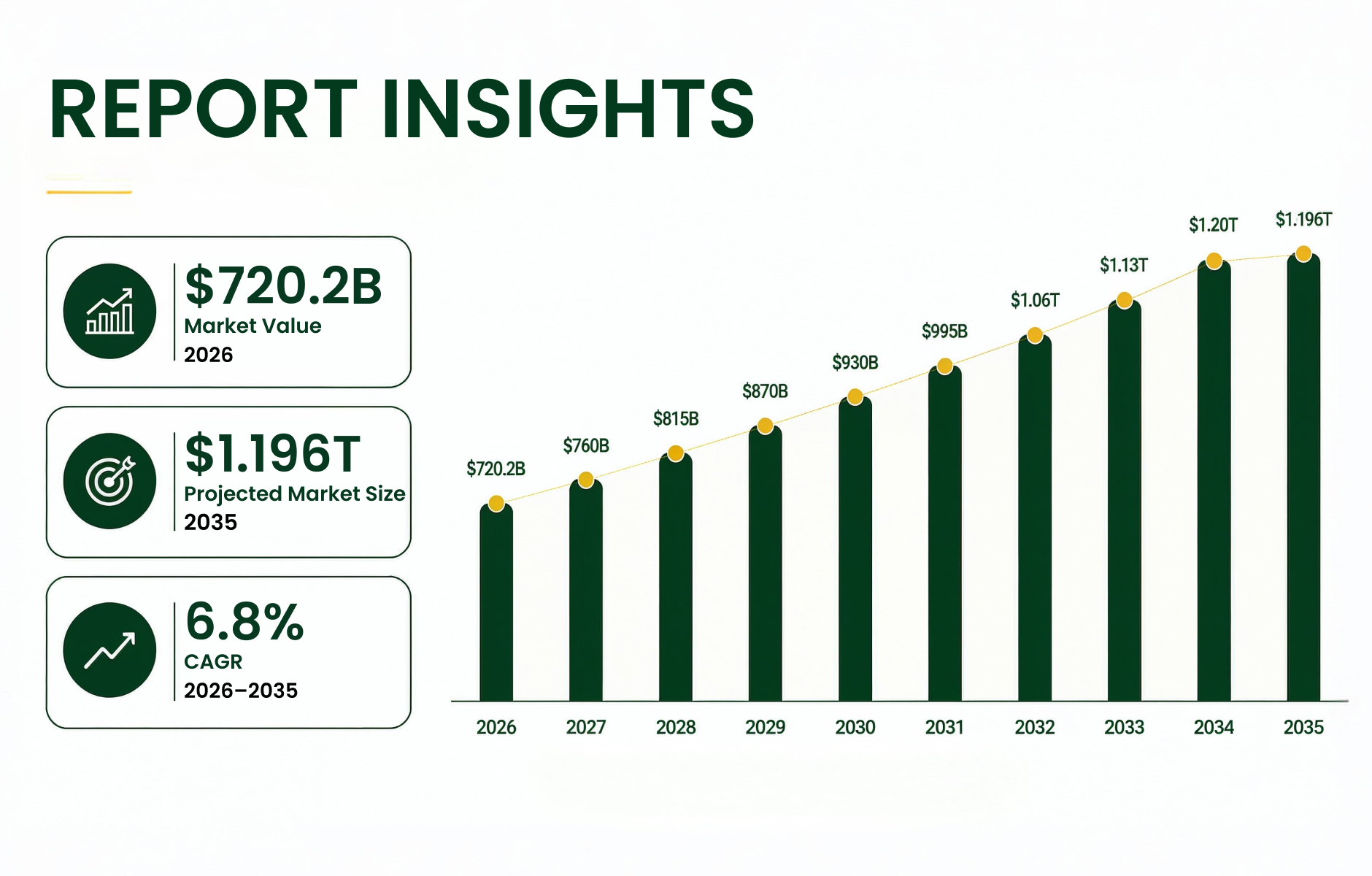
- The global events industry is projected to reach $2.5T by 2035.
- 92% of C-suite executives expect to digitize workflows with AI.
Could skipping your next trade show cost you more than the ticket? The question is worth asking. The global events industry is projected to reach $2.5 trillion by 2035, growing at a 6.8% CAGR. That growth reflects a broader shift: businesses investing more in experiences that bring people together.
The latest Small Business Expo Research Team’s data makes the case even stronger. 37.7% of businesses that rely primarily on in-person sales report 20%+ year-over-year growth. That’s the highest rate among the major revenue channels surveyed.
Trade shows benefit businesses beyond booth fees, travel, and staffing. They put your team in front of potential customers, partners, and decision-makers. The ticket price is easy to calculate. The cost of missing the right conversation? That’s much harder to measure.
What are the benefits of trade shows for businesses?
The benefits of trade shows for businesses extend well beyond booth traffic. When your team captures and qualifies the right leads, the event becomes a measurable growth channel.
Strong lead generation helps justify your investment in booth space, travel, and staff time. Unlike brand awareness, leads give you tangible results to track, from qualified opportunities and meetings booked to pipeline generated after the event.
The value also extends beyond immediate sales. Conversations with small business expo attendees can reveal what buyers want, what competitors are offering, and where your market is heading. Those insights can inform your sales strategy and help you decide which events deserve your budget next year. Trade shows can also put your team in front of decision-makers who may be difficult to reach through traditional outreach. The result? More qualified opportunities, stronger relationships, and more chances to generate revenue.
Which sales channel is actually growing fastest right now?
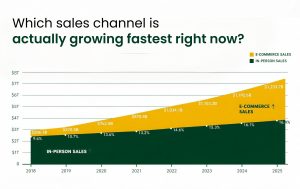
Source: Growth of in-person sales as reported by the US Census Bureau
The Small Business Expo Research Team’s data shows a clear gap in growth performance across major sales channels. The pattern is hard to miss. Direct sales channels are leading the pack.
That does not mean every business should abandon email, social media, e-commerce, or referrals. The right channel depends on your audience, offering, sales cycle, and how your customers prefer to buy. But businesses focused on accelerated growth should pay close attention to channels that give them more control over customer relationships.
The benefits of trade shows for businesses become especially clear in this context. In-person events allow companies to meet qualified prospects, understand their needs, and move conversations forward in real time.
For smaller companies, networking events for entrepreneurs can also create access to potential customers, partners, and decision-makers who may be difficult to reach through traditional outreach.
37.7% achieved 20%+ growth through in-person sales
Among businesses relying primarily on in-person sales, 37.7% report achieving 20%+ year-over-year growth, the highest rate among major sales channels surveyed.
In a single event, exhibitors can connect with potential customers, partners, and decision-makers already interested in their industry. That makes trade show lead generation more than collecting contact information. It creates opportunities to qualify prospects, demonstrate complex offerings, and advance relationships.
While the data doesn’t prove every in-person interaction drives growth, it does show that businesses relying primarily on in-person sales report the strongest growth rates. For exhibitors, that makes the trade show floor worth a closer look.
39% of referral-driven businesses report flat growth
Referrals remain one of the most trusted ways to generate business, but they can only move as fast as your network. Nearly 39% of referral-driven businesses reported sales were about the same as last year, while just 25.8% reported 20%+ growth.
That doesn’t make referrals a weak channel. They often deliver high-quality opportunities and long-term value. But for businesses focused on faster growth, waiting for introductions can limit momentum. That’s where trade shows can boost your referral strategy.
Instead of waiting for a recommendation, exhibitors can meet potential customers, partners, and future referral sources face to face. Every conversation can open a new door and expand the network that fuels future referrals. The takeaway? Trade shows don’t replace referrals. They help you build the relationships that make more referrals possible.
Social media helps 25.9% achieve 20%+ growth
Social media is a powerful growth engine, but visibility alone doesn’t guarantee momentum. While social channels help businesses build awareness, demonstrate expertise, and stay connected with customers, 25.9% of social media-led businesses report 20%+ growth. That’s notably lower than the 37.7% reported by businesses primarily relying on in-person sales. The difference comes down to what happens after discovery.
A prospect may see your post, visit your profile, or engage with your content, but the path to a real sales conversation can still be indirect. At a trade show, that gap disappears. A prospect can discover your brand, walk up to your booth, ask questions, and meet your team in real time.
Better yet, that conversation can fuel your digital strategy. One face-to-face interaction can lead to a follow-up, a website visit, an email response, or a future sale. The strongest growth strategy may not be digital versus in-person. It may be both, working together.
Who are the best B2B trade show organizers for lead generation?
The best B2B trade show organizers for lead generation do more than bring people into the same room. The strongest events also attract people for a reason. That could mean finding a solution, exploring a partnership, learning from industry experts, or evaluating new vendors.
For exhibitors, this creates a stronger foundation for trade show lead generation. Events such as Small Business Expo, Connections, Forrester B2B Summit, and Gartner Supply Chain Planning Summit demonstrate different ways B2B events can bring professionals together around networking, education, industry expertise, and business opportunities. Roughly 80% of professionals still fail at networking, not from lack of effort but from lack of follow-through.
A well-run event can put the right person in front of you. It can’t force you to follow up within the 24-48-hour window where a conversation’s “emotional resonance” is still fresh. A well-run trade show can put the right prospect in front of your team. But your team still needs to capture the conversation, qualify the opportunity, and follow up while the interaction is fresh. That is where event value is won or lost. The best organizers create the opportunity.
AI + trade shows are setting new standards
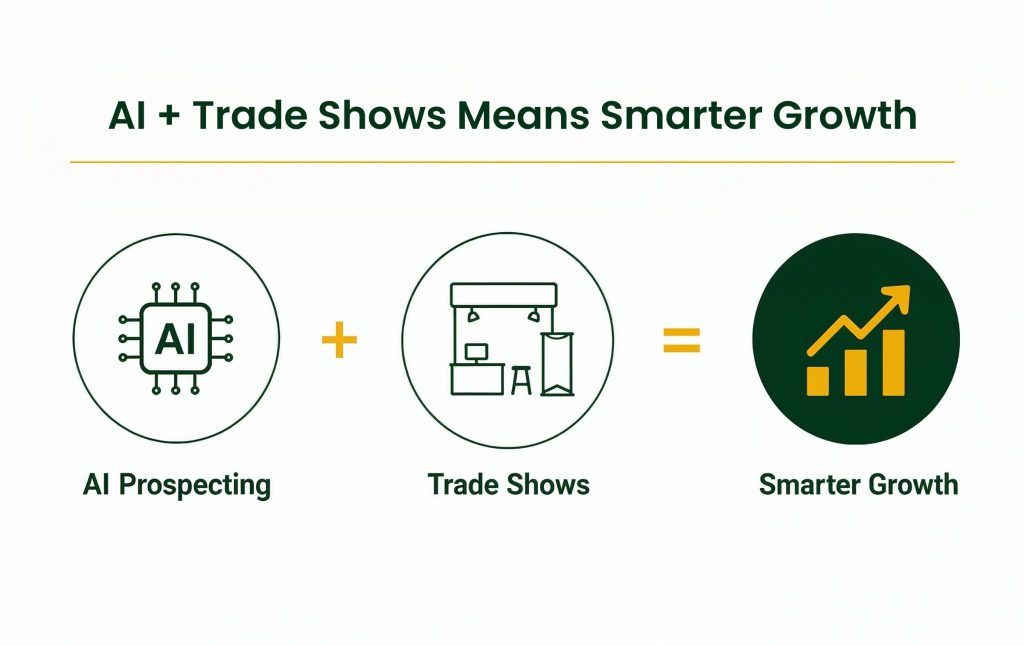
AI is increasingly helping sales teams identify high-intent prospects, automate outreach, score leads, transcribe calls, and personalize communications. In fact, 92% of C-suite executives expect to digitize workflows and use AI-powered automation over the next year.
But automating one task is different from rethinking the entire sales process. The biggest productivity gains come from using technology strategically.
That is where trade shows still matter. AI can help identify who to target. A trade show gives your team the chance to meet prospects, understand their needs, and build trust in real time. The strongest sales strategies combine both: smarter AI-driven prospecting and high-value face-to-face conversations.
What does it actually cost to build this pipeline yourself?
Building a consistent sales pipeline can take significant time and resources. The right model depends on your goals, sales cycle, and how much control you want over the process. A monthly retainer can range from $2,000 to $20,000+ per month. It works well for businesses seeking long-term support across SEO, content, and multi-channel campaigns.
With a pay-per-lead model, you pay for each qualified lead delivered. This can make spending more predictable. However, clearly define qualification criteria so your team receives leads that genuinely fit your business. A performance-based or pay-per-appointment model ties payment to a specific outcome, such as a qualified meeting booked on your calendar.
For businesses that want a more direct connection between marketing spend and qualified opportunities, a pay-per-lead model can be worth exploring. The key is to define what makes a lead valuable before the campaign begins. One trade show ticket and a weekend of staffing can look expensive until you compare it with a full year of SDR salary and ramp time or a recurring retainer. In that comparison, the ticket may be the smallest investment of all.
FAQs
- Why attend trade shows?
Trade shows give executives concentrated access to buyers, decision-makers, partners, and market intelligence that can take months to build independently.
- How do trade shows deliver a positive return on investment (ROI)?
Trade shows generate ROI by compressing months of prospecting into concentrated conversations that create pipeline, accelerate deals, and open strategic opportunities.
- How do trade shows help build long-term business relationships?
Trade shows turn one-time interactions into strategic relationships by giving executives the trust, context, and access needed to build partnerships that compound over time.
- What metrics should businesses use to measure trade show success?
Track qualified leads, meetings booked, pipeline generated, conversion rates, revenue influenced, cost per lead, and post-event engagement.
- How can exhibitors maximize their trade show investment?
Set clear goals, train booth staff, create engaging experiences, capture meaningful lead data, qualify prospects, and follow up quickly
Final takeaway
Skipping the trade show circuit may look like a straightforward cost-saving decision. But the real cost can be harder to see. You may miss direct access to decision-makers, qualified pipeline opportunities, market intelligence, competitive insight, and strategic partnerships.
The benefits of trade shows for businesses extend far beyond the event floor. A single conversation can accelerate a sales cycle. Market insights can sharpen your strategy. A new relationship can create opportunities months later. The data clearly shows that in-person sales report the strongest growth rate among the major channels surveyed. For growth-focused businesses, showing up is not simply an expense. It is an opportunity to create momentum.
Willing to take part in a trade show?

Footnotes
- https://www.thesmallbusinessexpo.com/blog/direct-sales-lead-growth/
- https://www.thesmallbusinessexpo.com/blog/lead-gen-companies/
- https://percolator.substack.com/p/the-networking-trap-why-80-of-professionals
- https://www.barchart.com/story/news/3416367/mobilo-ranks-1-in-expert-review-of-the-best-digital-business-cards-for-smbs-in-2026
- https://www.ibm.com/think/insights/sales-productivity
- https://www2.census.gov/retail/releases/historical/ecomm/24q4.pdf
- https://www2.census.gov/retail/releases/historical/ecomm/21q4.pdf
Related
Crush Your Revenue Targets This Year with High-Impact Lead Generation Strategies That Actually Work