Table of Contents
How to follow up after a networking event separates the professionals who build empires from those who collect dust-covered business cards. The handshake means nothing without the follow-through: and that follow-through is where fortunes are made.
Highlights
- Strike within 24-48 hours: Professionals who follow up within one day see substantially higher engagement rates because the conversation remains vivid in both parties’ minds
- Personalization beats templates every time: Generic “nice to meet you” messages get 0% response rates, while emails referencing specific conversation details convert at exponentially higher rates
- Lead with value, not asks: Sharing a helpful resource or making an introduction before requesting anything establishes trust and positions professionals as advisors rather than transaction-seekers
- LinkedIn amplifies your reach: Personalized connection requests are accepted 7x more often than generic ones, creating a digital foundation for long-term relationship nurturing
- The informational interview is the conversion goal: Thirty-minute conversations framed as “seeking advice” rather than “asking for business” lower psychological barriers and reveal hidden opportunities that never make it to public channels
Here’s what separates revenue-generators from card-collectors: recruiting teams don’t wait. At a recent industry event, organizers wrapped at 8 PM. By 10:30 AM the next morning, hiring managers had already emailed colleagues asking which attendees stood out for interviews. Without a systematic approach for how to follow up after a networking event, professionals become invisible before they even realize the opportunity passed.
The data tells the story: those who master how to follow up after a networking event within 24 hours don’t just stay memorable; they bypass gatekeepers, secure partnerships, and turn brief conversations into multi-year business relationships. But most people either hesitate too long, send forgettable messages, or never follow up at all.
This guide reveals exactly how to follow up after a networking event in 2026, with battle-tested templates, precise timing strategies, and proven methods to convert connections into consistent revenue streams.
The 2026 Reality: Speed Determines Success
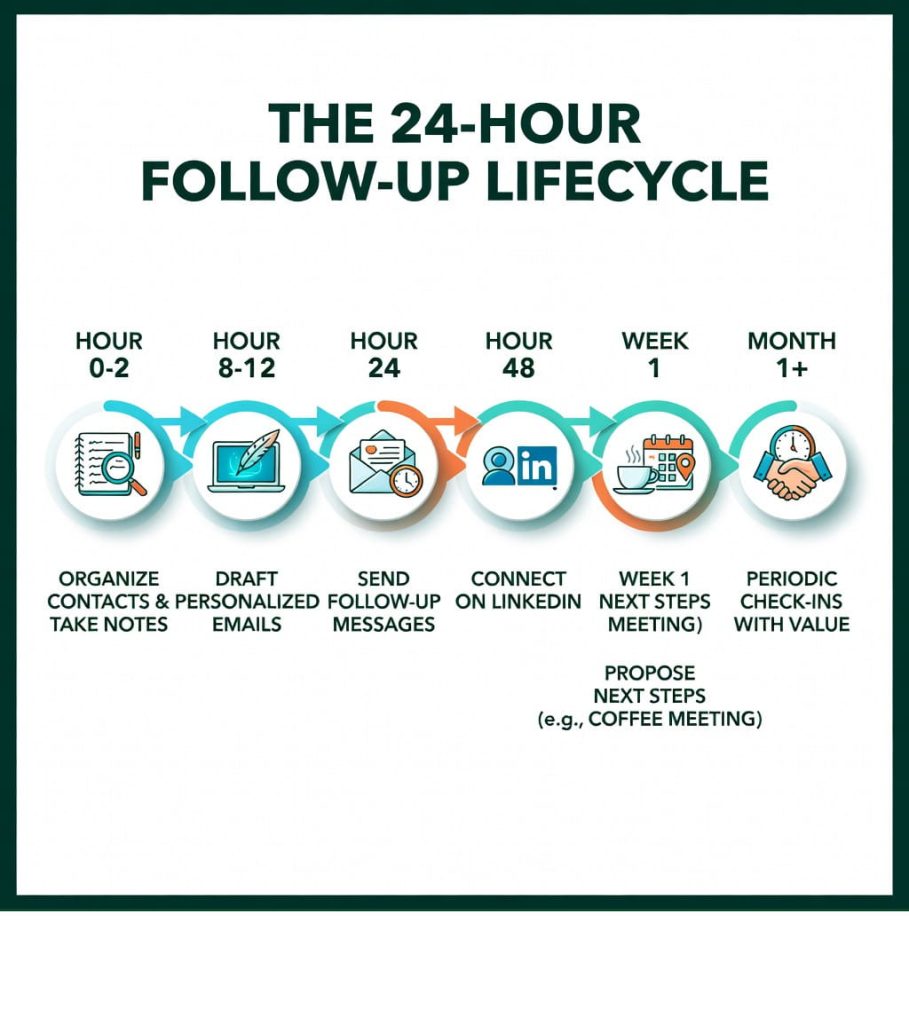
In today’s B2B landscape, the window for meaningful outreach has never been narrower. According to research on networking follow-up best practices, the first 24 to 48 hours represent the “golden window” where memory remains sharp and opportunities stay open. Beyond this timeframe, the warm connection established face-to-face begins its inevitable fade.
For small business owners learning how to follow up after a networking event, this isn’t about etiquette: it’s about revenue survival. Partnership decisions, vendor selections, and collaboration opportunities move at lightning speed. The professionals who understand how to follow up after a networking event strategically position themselves ahead of competitors who are still “planning to reach out next week.”
The Schedule-Send Strategy
Smart professionals draft their follow-up emails in the car or on the train ride home from the event, then use the “Schedule Send” feature to have messages land in recipients’ inboxes between 8-9 AM the following morning. This approach demonstrates both enthusiasm and professionalism: reaching out quickly without appearing desperate.
Organize Before You Forget
The “Car Note” method transforms good intentions into actionable intelligence. Immediately after the event: before driving away or boarding the train: spend 10 minutes documenting every meaningful conversation. Did they mention a specific business challenge? A recent company milestone? An upcoming project deadline?
These details become gold when crafting personalized outreach. Using a CRM or even a simple spreadsheet to tag contacts by event name and “warmth level” allows for prioritization. High-potential connections receive immediate attention, while others move into a longer-term nurture sequence.
Crafting Messages That Convert
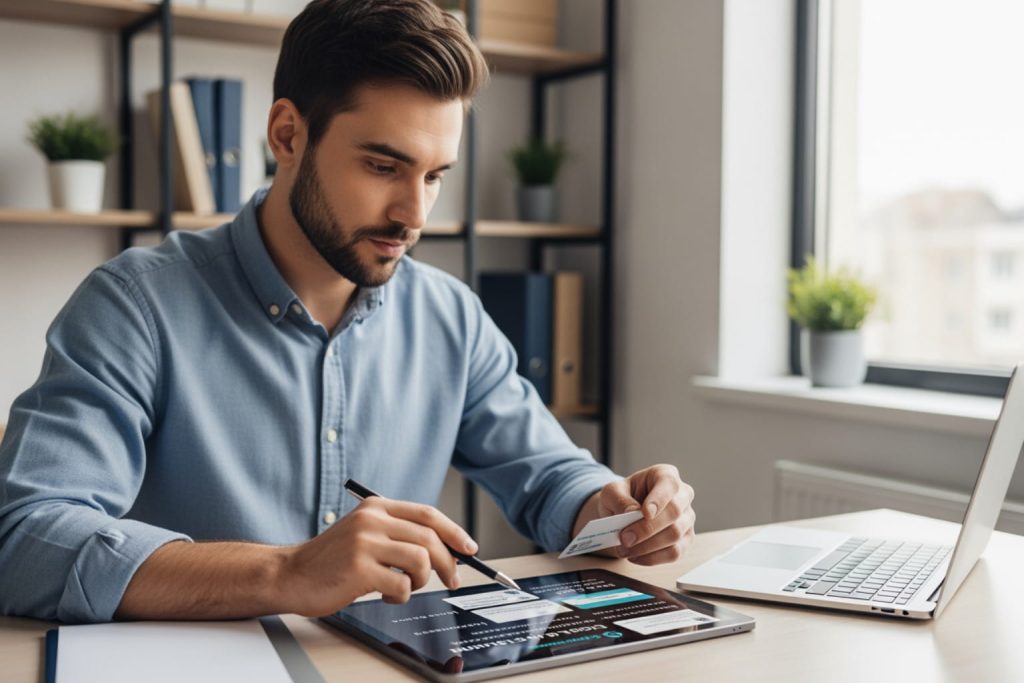
Generic outreach dies on arrival. According to UCSF’s Office of Career and Professional Development, the most effective follow-up messages act as bridges between the initial conversation and the relationship both parties want to build. When professionals master how to follow up after a networking event, they follow this proven structure:
The Five-Part Follow-Up Formula:
- Subject Line Hook: Reference the event name and a specific topic discussed: “Follow-up: Our conversation about client retention at Boston Expo”
- Personalized Opening: Use their name and mention where you connected
- The Memory Jogger: Cite a specific detail from your conversation that proves genuine attention and interest
- The Value-First Offer: Share something immediately useful: an article, a contact introduction, or a solution to a problem they mentioned
- Clear Call-to-Action: Suggest a specific next step with a proposed timeframe: “Would a 20-minute call next Thursday work to discuss this further?”
Lead With Contribution, Not Requests
The secret to 2026 networking is “contribute before you ask.” Small business owners who lead with value see significantly higher conversion rates into qualified leads. This is the core of Automating Your Trade Show Follow-Up Emails: A Step-by-Step Guide.
Instead of asking for a favor, offer a resource. If they mentioned a struggle with remote work, send them a link to a helpful guide. If they are looking for a specific vendor, offer an introduction.
Resume Etiquette: Generally, do not attach your resume to the very first follow-up unless they specifically asked for it. It can come across as overly transactional. Instead, focus on solving their pain points first. Once a rapport is established, a resume or capabilities statement becomes a natural part of the conversation.
LinkedIn: The Long-Game Engine
LinkedIn is no longer just a digital resume; it is the primary engine for long-term relationship nurturing. When you Unlock the Benefits of Speed Networking at Small Business Expo, the goal is to move that face-to-face energy into a digital space where it can be sustained.
According to LinkedIn, personalized connection requests receive acceptance rates 7x higher than generic ones. When learning how to follow up after a networking event, LinkedIn serves as the digital foundation for relationship sustainability.
The connection request should mirror the email approach: brief, personalized, and event-specific: “Great connecting at the Chicago Small Business Expo yesterday. I’d love to continue our conversation about digital transformation.”
Low-Friction Engagement Tactics
Once connected, the relationship requires nurturing through consistent, value-driven touchpoints:
- Content Interaction: Like and thoughtfully comment on their posts, keeping your name visible in their notifications
- Strategic Tagging: When discovering relevant articles or resources, share them and tag the connection with context: “Saw this report on supply chain optimization and remembered our expo conversation”
- Quarterly Check-Ins: Set calendar reminders for follow-up every 3-4 months, congratulating them on company announcements or industry recognition
This sustained engagement transforms “person met once” into “trusted professional contact”: the relationship level where referrals, partnerships, and revenue opportunities naturally emerge.
The Informational Interview: Where Conversations Become Contracts
For professionals focused on how to follow up after a networking event strategically, the informational interview represents the ultimate conversion goal. These aren’t sales pitches: they’re 30-minute conversations designed to build trust, demonstrate expertise, and identify hidden opportunities that never appear in public channels.
As networking expert Aja Frost notes, framing these meetings as “seeking advice” rather than “asking for business” significantly increases acceptance rates. This approach lowers psychological barriers and makes busy professionals more willing to invest their time, a key part of learning How to Make Networking Work for You.
Email vs. LinkedIn: Where to Reach Out?
|
Channel |
Best For |
Response Rate Expectation |
|
|
Formal requests, detailed value-adds, scheduling meetings. |
High (if personalized) |
|
LinkedIn Message |
Quick check-ins, sharing content, casual “congrats.” |
Medium (can get buried) |
|
LinkedIn Request |
Initial connection, formalizing the relationship. |
High |
Fatal Mistakes That Kill Professional Credibility
Even well-intentioned professionals can sabotage their networking ROI through common execution errors. When learning how to follow up after a networking event, avoid these credibility-destroying mistakes:
- The Generic Template Trap: Copy-paste messages signal disrespect for the recipient’s time and destroy any connection established at the event.
- The Immediate Ask: Requesting referrals, introductions, or business in the first message positions the sender as a taker rather than a contributor.
- Name and Company Typos: Misspelling someone’s name or company name demonstrates careless attention to detail: a fatal flaw in professional relationships.
- Over-Persistence: Two follow-up attempts without response warrant a graceful retreat to LinkedIn engagement rather than continued email pressure.
- Ignoring Event Hosts: Failing to thank organizers misses a strategic opportunity: hosts are super-connectors who can facilitate dozens of additional introductions.
For those looking to truly master the art, seeking a NetWorkWise Certification can provide the deep-level skills needed to navigate complex professional social dynamics. Also, be sure to review the 7 Things You Should Never Do at a Networking Event to ensure your behavior during the event sets you up for follow-up success.
Turning Follow-Up Into Revenue Reality
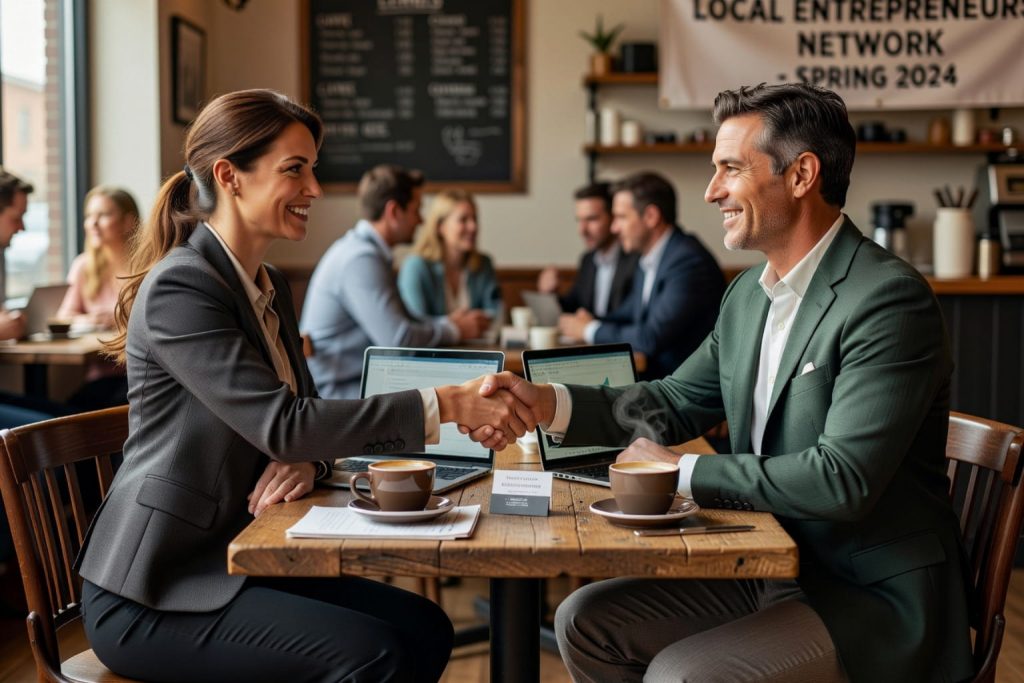
Mastering how to follow up after a networking event is the most cost-effective way to drive revenue growth for your small business. By implementing these steps on how to follow up after a networking event, you build a resilient network that yields qualified leads for years to come.
Small Business Expo is dedicated to helping you make these connections. But remember, the event is just the beginning. To truly maximize your return on investment, you must have a plan for What to do after exhibiting at an expo.
Ready to grow your network? Join us at the next Small Business Expo in a city near you—from New York City to Los Angeles and everywhere in between—and put these follow-up strategies into action!
Frequently Asked Questions about Networking Follow-Ups
Many professionals have questions about the specifics of how to follow up after a networking event effectively.
When is the absolute best time to send a follow-up?
The “Sweet Spot” is between 12 and 24 hours after the event. This is a common question for those mastering how to follow up after a networking event. This timing is late enough to not seem desperate, but early enough to land while the memory of your face and conversation is still vivid. If the event is on a Friday, send it Monday morning to avoid getting lost in the “weekend inbox clearing.”
Should I attach my resume to the first follow-up email?
No. In 2026, networking is about building a relationship, not just applying for a job. Your LinkedIn profile serves as your digital resume. If the conversation progresses to a point where they ask for your credentials, then send it.
What should I do if my follow-up message gets no response?
Wait 5-7 business days, then send one polite “nudge.” Reference a new piece of value (e.g., “I just saw this article and thought of our talk…”). If there is still no response, move them to your “Long-Term Nurture” list and engage with their social media content instead of sending more emails.